

In today’s competitive business environment, procurement and supply chain performance directly impact profitability and long term sustainability. Rising material costs, global disruptions, and operational inefficiencies can quickly erode margins if not managed strategically. Procurement and supply chain consulting services help organizations strengthen strategy, optimize costs, and transform operations to remain resilient and competitive.
Building A Strong Procurement And Supply Chain Strategy

Successful transformation often begins with an efficient cost reduction opportunity assessment that identifies hidden inefficiencies, supplier risks, and process gaps across the organization. A clear strategy aligns procurement objectives with broader business goals, ensuring purchasing decisions support growth, stability, and innovation.
Consultants typically start by analyzing spend data, supplier contracts, sourcing models, and inventory management systems. This structured evaluation highlights areas where consolidation, renegotiation, or supplier diversification may improve performance. A strong strategy also defines governance structures, approval processes, and performance metrics that create accountability.
Strategic sourcing plays a central role. Rather than focusing solely on price, organizations evaluate supplier reliability, quality standards, geographic risk, and long term value. Building collaborative supplier relationships strengthens resilience and reduces vulnerability to supply chain disruptions.
Digital integration is another key component. Modern procurement strategies often incorporate automated platforms, real time analytics, and centralized reporting tools to increase transparency and decision making speed.
Cost Optimisation And Operational Efficiency
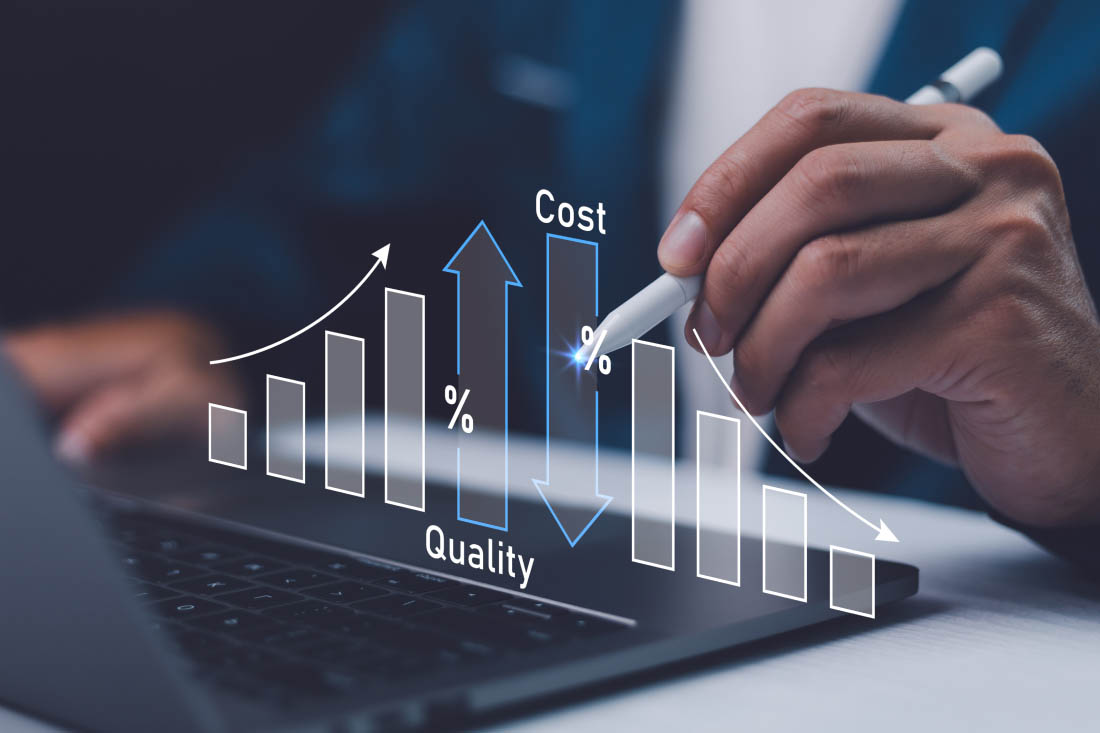
Cost optimisation goes beyond negotiating lower prices. It involves examining total cost of ownership, logistics efficiency, inventory turnover, and process waste. By mapping the end to end supply chain, consultants identify opportunities to reduce duplication, eliminate bottlenecks, and improve coordination between departments.
One common focus area is demand forecasting accuracy. Inaccurate projections can lead to excess inventory or stock shortages, both of which increase costs. Improved data analysis supports smarter purchasing decisions and better working capital management.
Contract optimization is another significant opportunity. Reviewing existing agreements may uncover pricing inconsistencies, unused service clauses, or outdated terms that can be renegotiated. Structured supplier performance reviews further ensure vendors meet agreed standards and deliver value.
Process automation also contributes to cost efficiency. Digitizing purchase orders, invoice processing, and approval workflows reduces manual errors and administrative overhead. Over time, these improvements generate measurable savings while freeing internal teams to focus on higher value activities.
Transformation And Long Term Value Creation

True supply chain transformation extends beyond cost savings. It requires cultural alignment, cross functional collaboration, and long term planning. Consultants often guide organizations through change management initiatives that improve communication between procurement, finance, operations, and executive leadership.
Technology integration plays a crucial role in transformation. Advanced analytics, artificial intelligence forecasting, and supplier management platforms enable data driven decisions and faster response to market fluctuations. Organizations that embrace digital transformation gain greater visibility and control across global supply networks.
Risk management is also central to long term success. Diversifying suppliers, strengthening contingency planning, and implementing compliance monitoring protect operations from unexpected disruptions. Sustainable sourcing practices further enhance brand reputation and regulatory alignment.
By building scalable processes and measurable performance indicators, organizations create a foundation for continuous improvement rather than one time savings initiatives.
Conclusion
Procurement and supply chain consulting provides organizations with the structure, expertise, and strategic clarity needed to improve performance and resilience. Through clear strategy development, cost optimisation initiatives, and comprehensive transformation planning, businesses can reduce inefficiencies and strengthen competitive advantage. With the right approach, procurement becomes more than a cost center; it becomes a driver of sustainable growth and long term value creation.