
Reliable high-speed internet has become essential everywhere, but in the Philippines many regions still struggle with connectivity due to geography, infrastructure gaps, and remote communities. Satellite internet offers a solution by delivering broadband access without the need for extensive ground networks. For residents, businesses, and organisations in isolated areas, satellite options can bridge the digital divide and support communication, education, commerce, and emergency response.
What satellite internet brings to remote Philippines communities

Satellite internet can reach locations where traditional fiber, cable, or fixed wireless services are limited or unavailable. In the first paragraph after this heading, discover the Starlink Philippines prices to understand how one of the prominent satellite providers structures its services for local users seeking affordable high-speed connectivity tailored to remote settings.
Modern satellite systems use low earth orbit constellations that reduce latency and improve performance compared to older geostationary services. This makes them suitable for activities beyond basic browsing, such as video conferencing, online learning, streaming, and cloud services.
Residents in mountainous provinces, off-grid islands, and hinterland barangays can gain consistent access without waiting for infrastructure projects that may take years to complete.
For schools and clinics, satellite internet supports digital tools, telehealth, and remote instruction, expanding opportunities for communities previously constrained by limited broadband options.
Performance considerations, installation, and real world use

Not all satellite services perform the same. Key factors include speed, latency, data caps, hardware requirements, and network congestion. Low earth orbit networks typically offer faster speeds and lower latency than older satellite systems, which improves responsiveness for interactive applications like video calls and online gaming.
Speeds can vary by provider and plan, so it is important to match the service level to your needs, whether simple web access or support for multiple users and devices on a household or business connection.
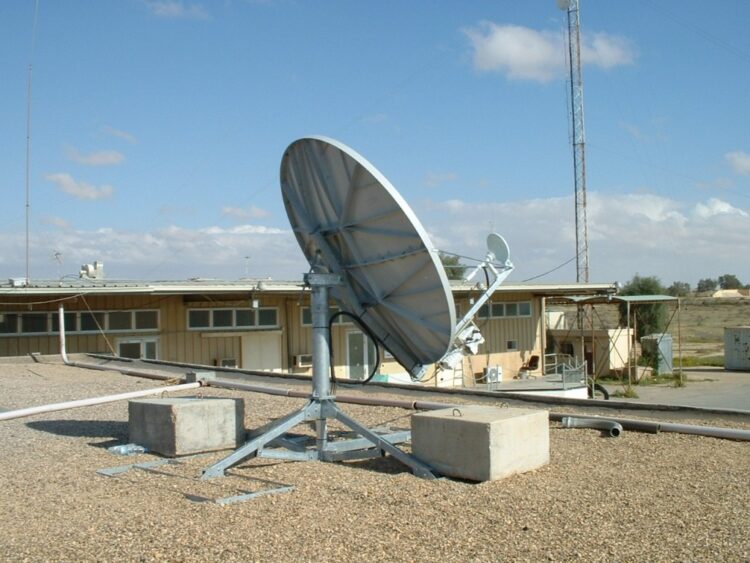
Installation usually involves mounting a small satellite dish and connecting it to a modem. In many cases the provider handles setup, including alignment and commissioning. Ongoing maintenance is minimal, but the dish should be placed where it has a clear view of the sky to maintain the best signal.
For businesses in tourism, logistics, or offshore operations, satellite internet can provide a dependable backup when terrestrial networks falter during storms, power outages, or infrastructure damage.
Comparing satellite broadband options in the Philippines

Philippine users now have several satellite internet choices, each with its own strengths. Some services focus on consumer pricing with simpler installation, while others target enterprise and government use with service level agreements and dedicated support.
When comparing options, consider not only upfront cost and monthly fees but also throughput, data allowances, equipment charges, and any regional service limitations.
For example, some providers offer scalable plans that let you increase performance as your usage grows, which is useful for expanding businesses or community internet hubs.
Accessibility also matters. Providers with local partners can offer faster support, clearer billing, and better understanding of regulatory requirements in the Philippines.
Look for services that provide transparent pricing, clear performance expectations, and straightforward terms so you can choose a plan that fits both your budget and connectivity goals. Customer reviews and independent performance tests can also help you gauge real world speeds and reliability in similar environments.
Conclusion
Satellite internet opens high-speed access to remote areas of the Philippines, enabling people and organisations to participate more fully in a connected world. By exploring options like Starlink alongside other satellite providers, and by considering installation, performance, and pricing, users can find solutions that meet their needs and budgets. With the right service, even the most isolated communities can enjoy broadband connectivity and the opportunities it brings.