
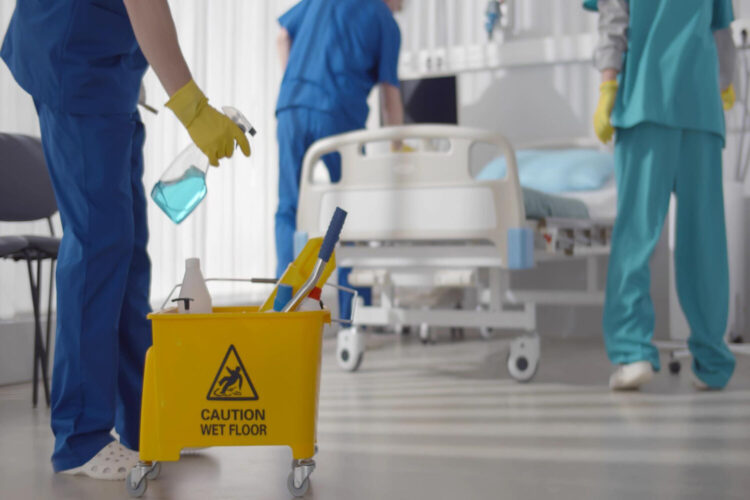
Healthcare environments require much higher cleaning standards than most other workplaces because they directly affect patient wellbeing, staff safety, and public health. Hospitals, clinics, medical centers, aged care facilities, and treatment rooms experience constant movement from patients, healthcare professionals, and visitors throughout the day. Without proper hygiene practices, germs and contaminants can spread quickly, increasing the risk of infection and creating unsafe conditions. Professional healthcare cleaning services help maintain sanitary environments that support safer and more effective healthcare operations.
The Importance of Hygiene in Healthcare Facilities
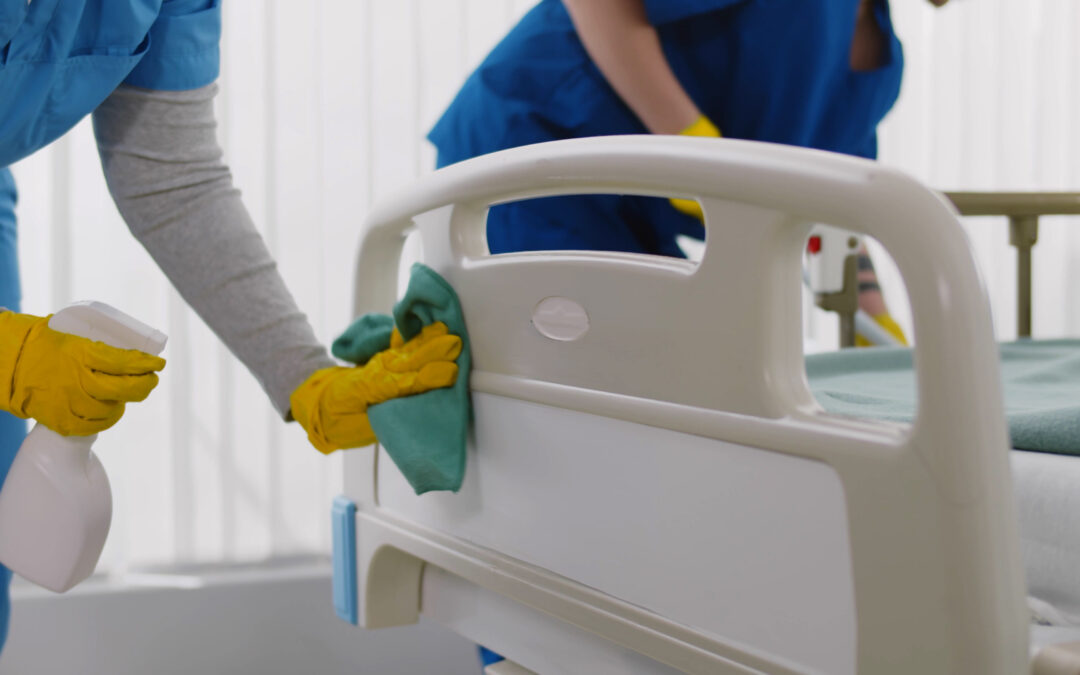
Healthcare spaces contain high touch surfaces and sensitive areas that require frequent sanitation. Waiting rooms, patient beds, medical equipment, restrooms, and consultation rooms all need careful cleaning to reduce bacteria and viruses. Maintaining strict hygiene standards helps protect vulnerable patients whose immune systems may already be weakened.
Many facilities prioritize (found here) healthcare cleaning services ISO accredited because accredited providers follow recognized quality and safety procedures. These standards help ensure cleaning practices are consistent, properly documented, and suitable for healthcare environments where infection control is critical.
Professional healthcare cleaners are trained to use approved products, safe chemical handling methods, and structured sanitation routines. This helps reduce contamination risks while supporting compliance with healthcare regulations and operational guidelines.
Supporting Safety for Staff and Visitors
Clean healthcare facilities support not only patients but also medical staff, administrative teams, and visitors who spend time inside these environments daily. Healthcare workers operate under high pressure conditions and require clean workspaces to perform safely and efficiently.
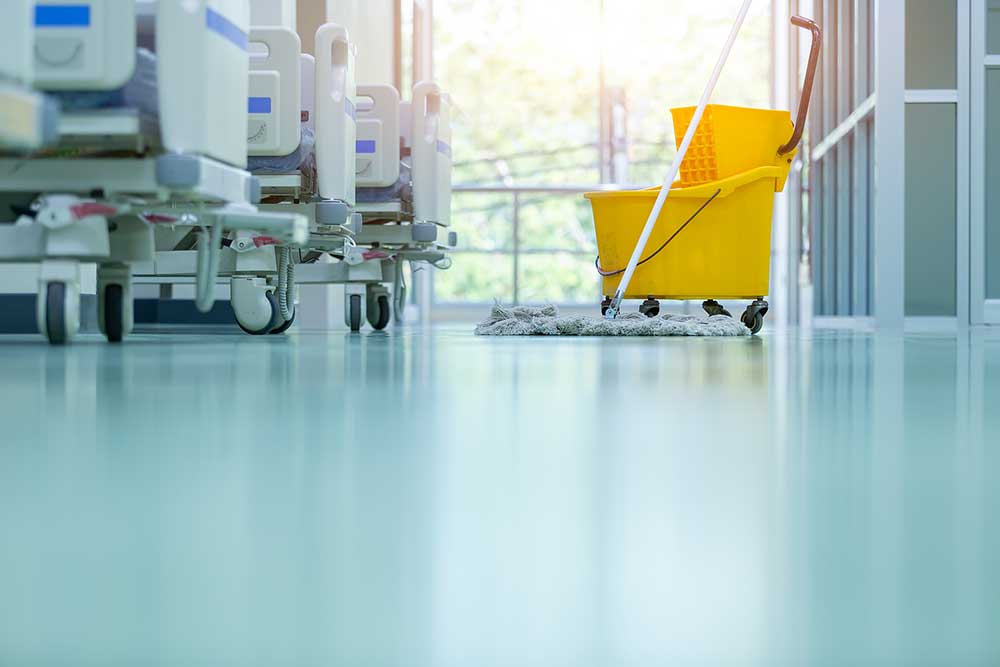
Proper cleaning helps reduce the spread of infectious illnesses among staff members and lowers the chance of cross contamination between treatment areas. Clean floors, sanitized surfaces, and properly managed waste disposal systems also reduce workplace hazards such as slips, spills, and exposure to harmful materials.
Visitors benefit as well because clean facilities create more comfortable and reassuring environments during what are often stressful situations. A visibly clean healthcare space can improve public confidence and demonstrate a strong commitment to patient care and safety.
Long Term Benefits of Professional Healthcare Cleaning
Regular professional cleaning supports the long term maintenance of healthcare buildings and equipment. Medical facilities contain expensive flooring, furniture, and specialized equipment that require careful maintenance to remain functional and hygienic over time.
Structured cleaning schedules also help healthcare providers operate more efficiently. Daily sanitation, deep cleaning routines, and infection control procedures can be organized around patient care activities to minimize disruption while maintaining high hygiene standards.
Another important benefit is regulatory compliance. Healthcare environments are often subject to strict inspections and operational requirements. Professional cleaning services help facilities maintain proper documentation, meet cleanliness expectations, and support safer healthcare delivery overall.
Conclusion

Clean healthcare spaces are essential for protecting patients, supporting medical staff, and creating safer environments for visitors. Through professional sanitation, infection control practices, and structured cleaning procedures, healthcare cleaning services help reduce risks while improving overall facility standards. Maintaining clean medical environments supports better patient experiences, healthier workplaces, and stronger confidence in healthcare services. Investing in reliable cleaning room an important part of delivering safe and effective care every day.