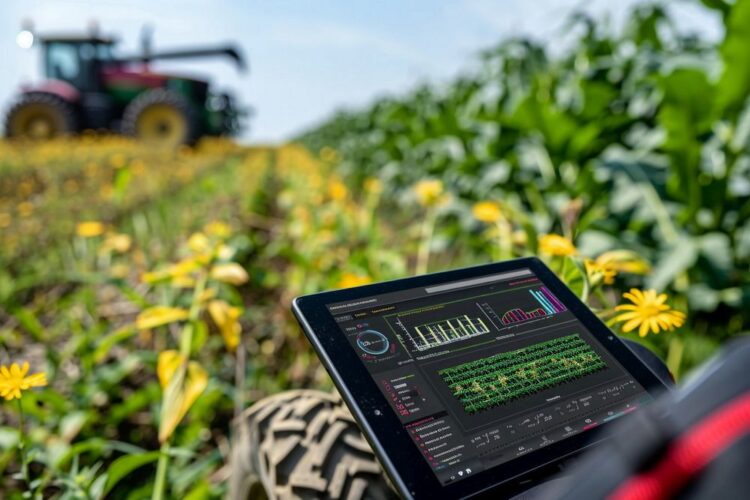
Tractors drove horses off farms a century ago. Now satellites and sensors are pushing out guesswork. A farmer in Iowa checks soil moisture from her kitchen table. A rancher in Texas tracks cattle movement on his phone. Technology that seemed like science fiction ten years ago now fills farm equipment catalogs.
But here’s the problem: every tech company suddenly wants to sell farmers something. Trade shows overflow with gadgets. Salespeople throw around buzzwords. Most farmers just want to know what actually works.
Durability Comes First
Your smartphone wouldn’t last a week on a farm. The sun would cook it. Dust would clog its ports. Farm tech needs to be tough. Temperature swings from winter freezes to summer scorchers shouldn’t faze it. When a sensor says it works from minus 20 to 120 degrees, that’s barely enough for Kansas weather.
Those IP ratings on equipment spec sheets? They matter. IP67 means dust won’t get in and the device survives being dunked in water. IP68 goes further. It can sit underwater and keep working. Anything less belongs indoors, not in your fields.
Battery life separates serious agricultural equipment from toys. Nobody wants to change batteries in five hundred sensors every few months. Quality devices run for years. Some even power themselves with tiny solar panels or by harvesting radio waves. Set them and forget them. That’s the goal.
Connectivity Without Complexity
Most American farmland has terrible internet. That’s just reality. One bar of cell signal if you’re lucky. Wi-Fi that dies 50 feet from the barn. Satellite internet that costs a fortune and quits during storms. Cellular modems built for agricultural use work differently than your phone. They’re happy with weak signals. They send tiny packets of data instead of streaming video. A moisture reading doesn’t need much bandwidth.
Smart agriculture IoT opens doors for farms that thought connected technology was beyond reach, with companies like Blues IoT creating cellular solutions simple enough that you don’t need an IT degree to set them up. The best systems never rely on just one connection type. When cellular fails, they try satellite. When satellite’s down, they store readings until the network returns.
Practical Features Beat Fancy Dashboards
Pretty graphs and 3D field maps look cool in sales demos. Two weeks later, you just want to know if the irrigation system’s running. Fancy rarely equals useful. Text alerts beat dashboards every time. Your phone buzzes: “Tank 3 water level critical.” Simple. Clear.
Actionable. No logging into websites. No clicking through menus. Problems announce themselves. New equipment should play nicely with what you already own. That expensive farm management software you bought three years ago? New sensors should feed data straight into it. Copy-pasting numbers between programs wastes everyone’s time.
Real Return on Investment
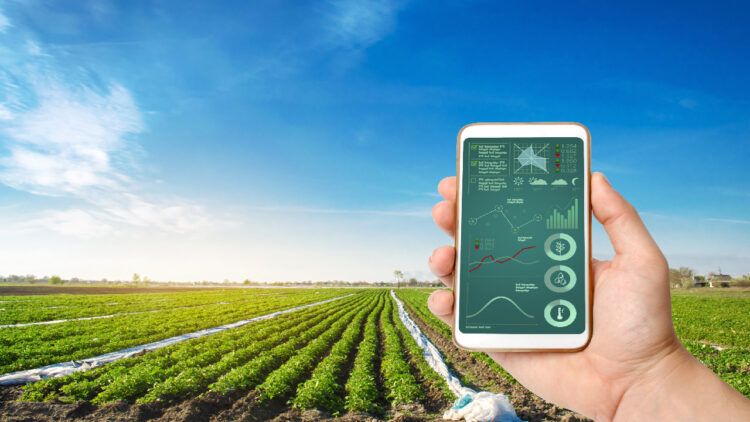
Farming is a business, not a scientific experiment. Every tech dollar must justify its cost. Soil sensors optimizing irrigation may reduce water costs by 30%. That adds up fast. Predictive maintenance catches problems before your combine breaks down during harvest. One prevented breakdown could pay for the entire system.
Some benefits are harder to measure but equally real. Sleeping soundly because freeze alerts will wake you if temperatures drop? That’s worth something. Catching disease pressure early enough to save a crop? Priceless.
Conclusion
Connected technology is coming to every farm in America. The question isn’t whether to adopt it, but what to buy. Tough equipment that laughs at weather gives you staying power. Connections that work anywhere keep data flowing.
Features that solve real problems instead of creating new ones make daily operations smoother. Get these basics right, and technology becomes a reliable hired hand. Get them wrong, and you’ve bought very expensive junk.